Reshma
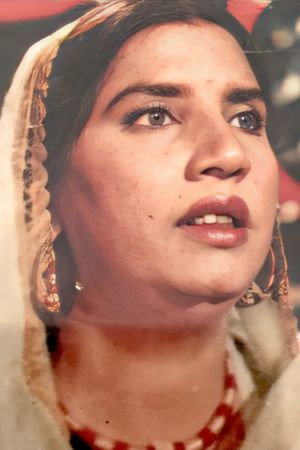
Reshma famous Pakistani folk singer. Reshma was born around 1947 in the village of Loha, located in Ratangarh tehsil of Churu district near Bikaner, Rajasthan, India, into a nomadic Banjara (Gypsy) community that had converted to Islam. This tribal group, known for their wandering lifestyle across the Thar Desert region, formed the core of her immediate cultural heritage. Her father, Haji Mushtaq (also referred to as Haji Muhammad Mushtaq), was a camel and horse trader from the Malashi subtribe, which contributed to the family's itinerant existence tied to Rajasthan's arid landscapes and pastoral economy. The nomadic traditions of the Banjara people immersed the family in the rich oral folk heritage of the desert, including songs and stories passed down through generations, shaping their daily life and social structure. Reshma grew up with a younger sister, Kaneez Reshma, who later pursued a career as a professional singer, reflecting the musical inclinations within their extended tribal family. Following the Partition of India in 1947, her family relocated to Karachi, Pakistan, when she was just one month old. Reshma's entry into professional music began at the age of 12 when she was discovered singing at the Shrine of Lal Shahbaz Qalandar in Sehwan, Sindh, by television and radio producer Saleem Gilani. Her powerful, untrained voice, honed through informal performances at local shrines, caught Gilani's attention during one of her renditions of devotional folk tunes. This chance encounter marked the transition from her street-singing roots to a broadcast career, blending Sufi traditions with regional folk styles. In 1968, Gilani arranged for Reshma's first professional recording of the Sufi song "Laal Meri Pat Rakhio" for Radio Pakistan, which aired to immediate acclaim and became a nationwide hit. The track's raw emotional depth and her distinctive timbre resonated widely, establishing her as a rising folk voice and leading to early live broadcasts on the station. These radio appearances solidified her reputation for authentic performances that captured the essence of Sindhi and Punjabi folk traditions. That same year, Reshma transitioned to television through Pakistan Television (PTV), making her debut appearances that showcased her shrine-inspired style to a broader urban audience. Her PTV spots from 1968 onward highlighted live renditions at shrines and studio sessions, propelling her from an obscure performer to a recognized broadcast artist in Pakistan's burgeoning media landscape.